In a dramatic shift in Israeli politics, former military chief Gadi Eisenkot has emerged as the frontrunner to become Israel's next prime minister, after securing the backing of 67 of the Knesset's 120 members during consultations with President Isaac Herzog on Thursday.
The result leaves outgoing Prime Minister Benjamin Netanyahu on just 46 recommendations, after his traditional ultra-Orthodox ally United Torah Judaism (UTJ) refused to back either candidate — a break with its longstanding practice of supporting the Likud leader.
Eisenkot Secures 67 Endorsements as Netanyahu Stalls on 46
Eisenkot's tally crossed the 61-seat majority mark after the Arab-led Joint List unanimously decided on Thursday to recommend him, adding its 11 lawmakers to his total. The Ra'am party contributed a further eight seats, while 48 lawmakers came from four Jewish-led parties: Eisenkot's own Yashar, Naftali Bennett and Yair Lapid's B'Yachad, the Democrats, and Avigdor Liberman's Yisrael Beitenu.
Netanyahu, by contrast, received recommendations from only 46 lawmakers, down from the 53 seats his outgoing coalition won in the election on 27 October. The seven members of UTJ withheld their support following a dispute over legislation exempting ultra-Orthodox yeshiva students from military service, according to reports from the consultations.
Yashar said the 67 recommendations were the highest received by any candidate since 2015, and urged Herzog to hand Eisenkot the mandate "as soon as possible".
Herzog to Decide on Sunday
President Herzog confirmed the figures on Thursday evening after concluding two days of consultations with every faction elected to the Knesset. He announced that he intends to assign the mandate to form Israel's next government on Sunday, 8 November, but cautioned that the numbers alone do not settle the question.
"The results of the consultations may appear clear, but the authority vested in me by law is to determine who has the ability to form a government, and that is not entirely clear, given the mutual vetoes between the blocs and within the blocs themselves," Herzog said, adding that he would continue holding talks with party leaders before deciding.
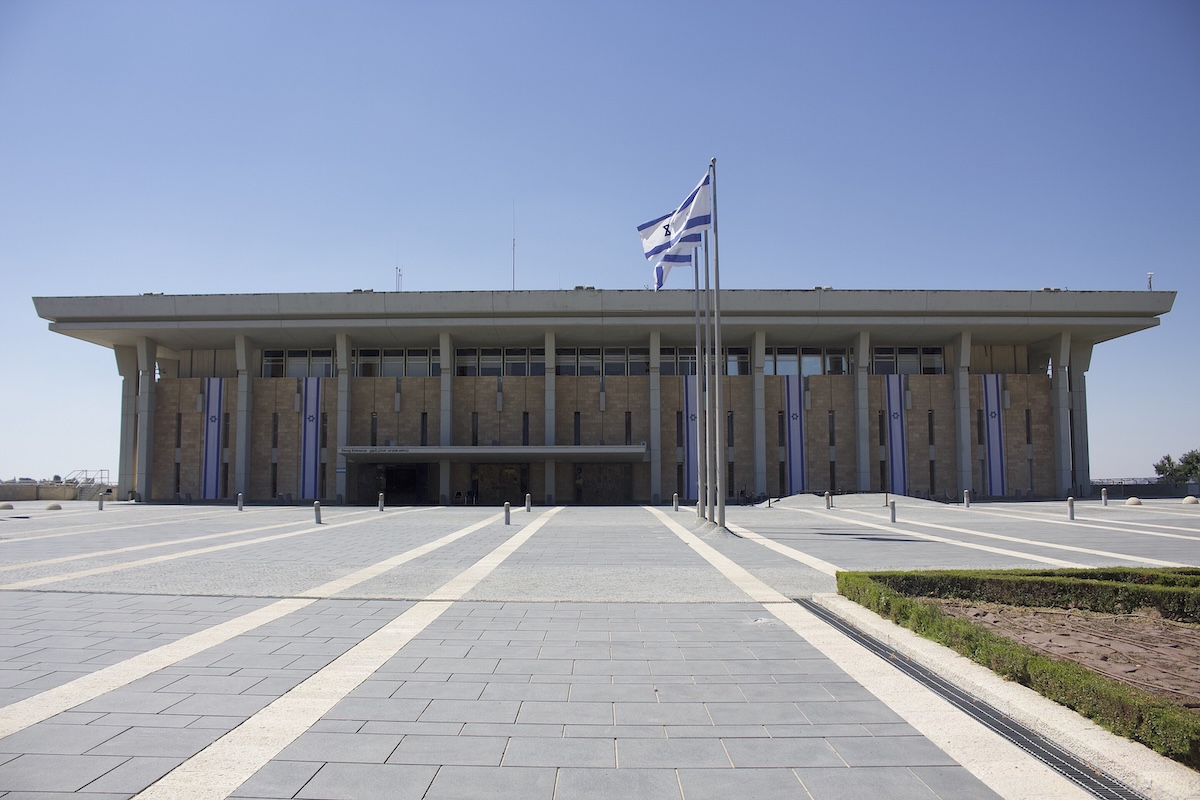
The new 26th Knesset is scheduled to be sworn in next week.
Why 67 Recommendations May Not Mean a Government
Despite clearing the threshold in the presidential consultations, Eisenkot faces a far harder test in turning endorsements into a working coalition. Only 48 of the 67 lawmakers who recommended him are currently prepared to work together without conditions, according to The Times of Israel.
The Joint List has made clear it has deep policy disagreements with parts of the Jewish opposition's platform and will not formally join an Eisenkot-led coalition, although it may offer support from outside. Three of the Jewish-led parties have so far ruled out joining a government that includes the Arab parties, while UTJ has said any future backing remains strictly contingent on securing the yeshiva draft exemptions.
There are signs of movement, however. Channel 12 reported that Yisrael Beitenu leader Avigdor Liberman, a longstanding opponent of Haredi participation in government, has softened his position — a shift that could open a path to the 61 votes Eisenkot needs, including for the election of a Knesset Speaker, which his camp sees as its strongest early move.
The Coalition Maths
Even with UTJ, Eisenkot's Jewish-led parties would reach only 55 seats — six short of a majority. Without the Arab lists, he cannot reach 61 unless Shas, the other ultra-Orthodox party, moves too. Neither side currently commands a majority made up solely of Jewish-led parties, which is why the coming negotiations will decide whether the consultation result becomes a government at all.
What Happens Next
Under Israeli law, the candidate who receives the mandate will have 28 days to form a government, with a possible 14-day extension. Eisenkot, a former chief of staff of the Israel Defense Forces, has said he aims to establish a national emergency government.
"The road ahead of us is still long; we are very determined. We will do it, and we will succeed," he said after the consultations concluded. Netanyahu remains prime minister until a new government is sworn in, and the coming days of coalition talks will determine whether Israel's longest-serving leader finally leaves office.
Related coverage on TrendWire
- US Strikes Iran's Qeshm Island in Strait of Hormuz
- Masked Settlers Beat US Journalist Heidi Levine at West Bank Harvest
- Pentagon to Hold Minab School Strike Report Until After US Midterms
Tags: #GadiEisenkot #Israel #Netanyahu #Knesset #IsraelPolitics #MiddleEast #Herzog #Yashar
Comments (0)