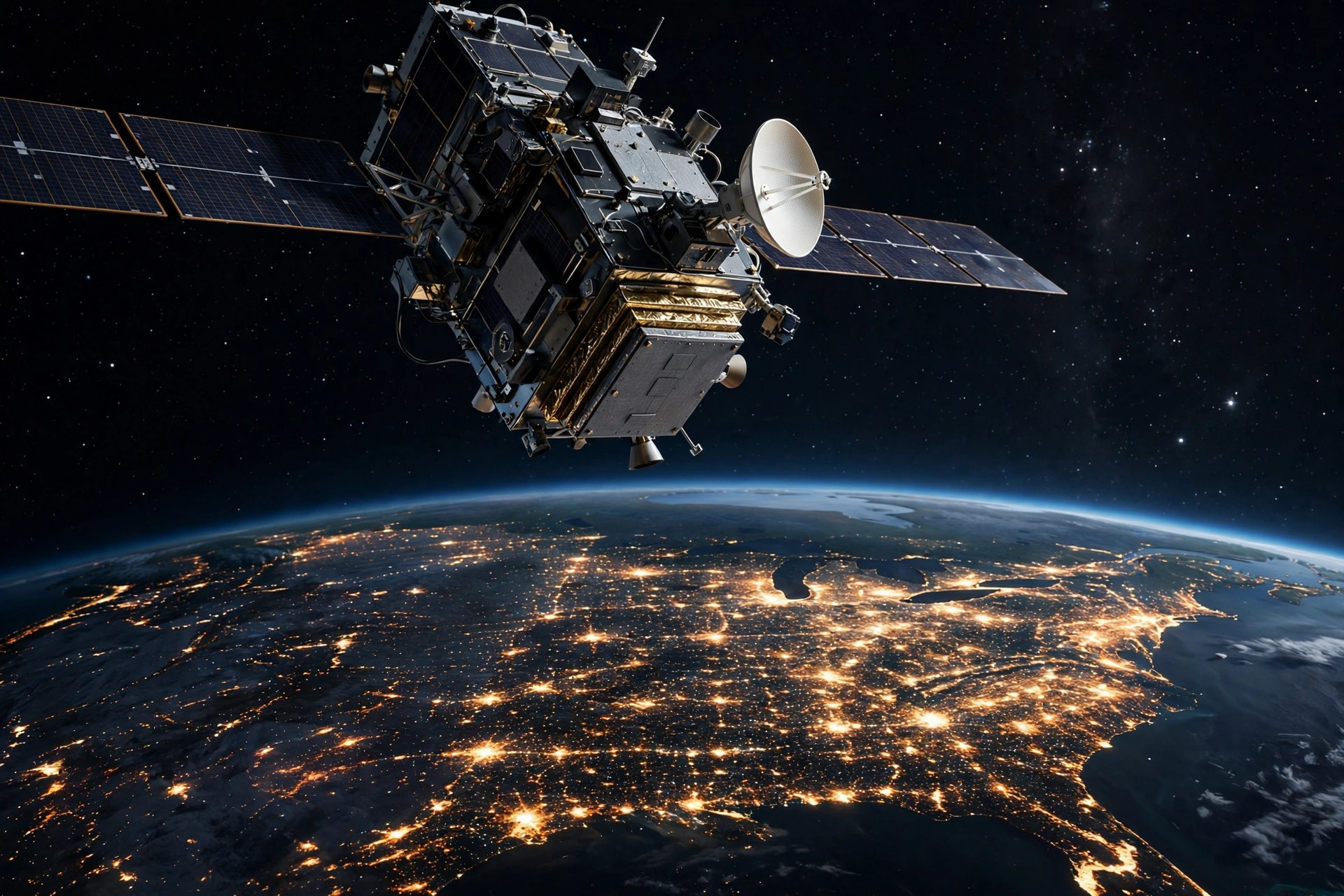
Western intelligence agencies believe Russia could launch a nuclear-armed satellite into orbit within weeks, according to a German media investigation that has alarmed NATO allies and renewed fears of an arms race in space. The reports, published on 23 November, suggest Moscow may be preparing to place a weapon in orbit before the end of 2026.
Russia nuclear satellite reports: what the intelligence says
According to a joint investigation by German newspaper Süddeutsche Zeitung and public broadcasters NDR and WDR, Western intelligence assessments indicate that Russia has assembled a satellite known as "Sputnik-S", which has reportedly been stored in the Moscow region for several years. Intelligence shared among several NATO countries in early November suggested the satellite, reportedly designed to carry a nuclear warhead, could be launched within 60 days.
Germany's military Space Command reportedly assessed that a December launch was possible, and senior German government figures, including Defence Minister Boris Pistorius, were briefed on the threat in recent weeks. The findings draw on information from Western intelligence agencies and defence officials, including Germany's armed forces, the Bundeswehr, and its Federal Intelligence Service, the BND.
NATO and Germany respond to the space weapon threat
German Chancellor Friedrich Merz addressed the reports during a joint press conference with NATO Secretary General Mark Rutte in Berlin on Monday. "The reports that Russia plans to deploy nuclear weapons in space are not new, but they are no less shocking," Merz said. "It shows the extent to which Russia is apparently prepared to escalate the situation."
Rutte said NATO was continuously assessing its deterrence and defence capabilities across land, sea, air and space. "We will always make sure that we defend every inch of NATO territory, and that includes making sure that we are safe when it comes to the space element," he said. A German government spokesman said the reports were being taken "very seriously", while warning against "excessive nervousness regarding hypothetical dangers".
Why a nuclear weapon in orbit would matter
A nuclear device detonated in orbit could cripple thousands of satellites used for communications, navigation, weather forecasting and military operations, according to the reports. Josef Aschbacher, head of the European Space Agency, described nuclear weapons in space as "the ultimate nightmare scenario" in comments to the Handelsblatt newspaper.
Such a deployment would also violate the 1967 Outer Space Treaty, to which both Russia and the United States are signatories. Germany's Foreign Office said it would constitute "a flagrant breach" of the treaty.
Kremlin dismisses the reports as "groundless"
The Kremlin has rejected the allegations. Russian presidential spokesman Dmitry Peskov said he had not seen the latest reports but that claims citing unnamed sources were "hardly worth taking seriously". Russia's embassy in Berlin separately dismissed the reporting as part of a propaganda campaign and maintained that Moscow's space activities were peaceful and consistent with international obligations.
The warnings follow an earlier assessment by the US military's Defence Intelligence Agency, which said in a report released in October that Russia is "developing a satellite designed to carry a nuclear weapon". Rutte had already voiced concern in April 2025, saying: "We are aware of reports that Russia is exploring the possibility of deploying nuclear weapons in space."
What happens next after the Shenzhen summit
The German investigation appeared four days after Russian President Vladimir Putin, US President Donald Trump and Chinese President Xi Jinping met in Shenzhen, China, on 19 November, where nuclear arms control was a central topic. The three leaders issued a joint declaration affirming that nuclear war should never be fought, but stopped short of announcing binding arms-control commitments.
For now, the reports remain based on intelligence assessments cited by German media rather than confirmed launches, and neither NATO nor Berlin has confirmed the claims. But with the reported launch window measured in weeks, allies are watching Russia's space programme closely, and any sign of a launch would trigger an urgent diplomatic response.
Related coverage on TrendWire
- Zelensky Confirms Ukraine Sank Russian Warship Off Libya
- Kyiv Region Strikes Kill 15 as Zelenskyy Urges US Patriot Release
- Estonia Shuts Russia Border for Six Months After Sabotage Claims
Tags: #Russia #NuclearWeapons #NATO #SpaceSecurity #WorldNews #SputnikS #OuterSpaceTreaty
Comments (0)