Inflation in the United Kingdom climbed to 3.6% in October, its highest annual rate in a year, as surging fuel prices piled fresh pressure on households and kept the Bank of England on course for a possible further interest rate rise before Christmas.
Figures published by the Office for National Statistics (ONS) on Wednesday showed consumer price inflation rising from 3.5% in September, marking a fourth consecutive monthly increase. The reading matched the Reuters poll forecast, though it was slightly below the Bank of England's own projection of 3.7%.
UK inflation driven higher by record fuel prices
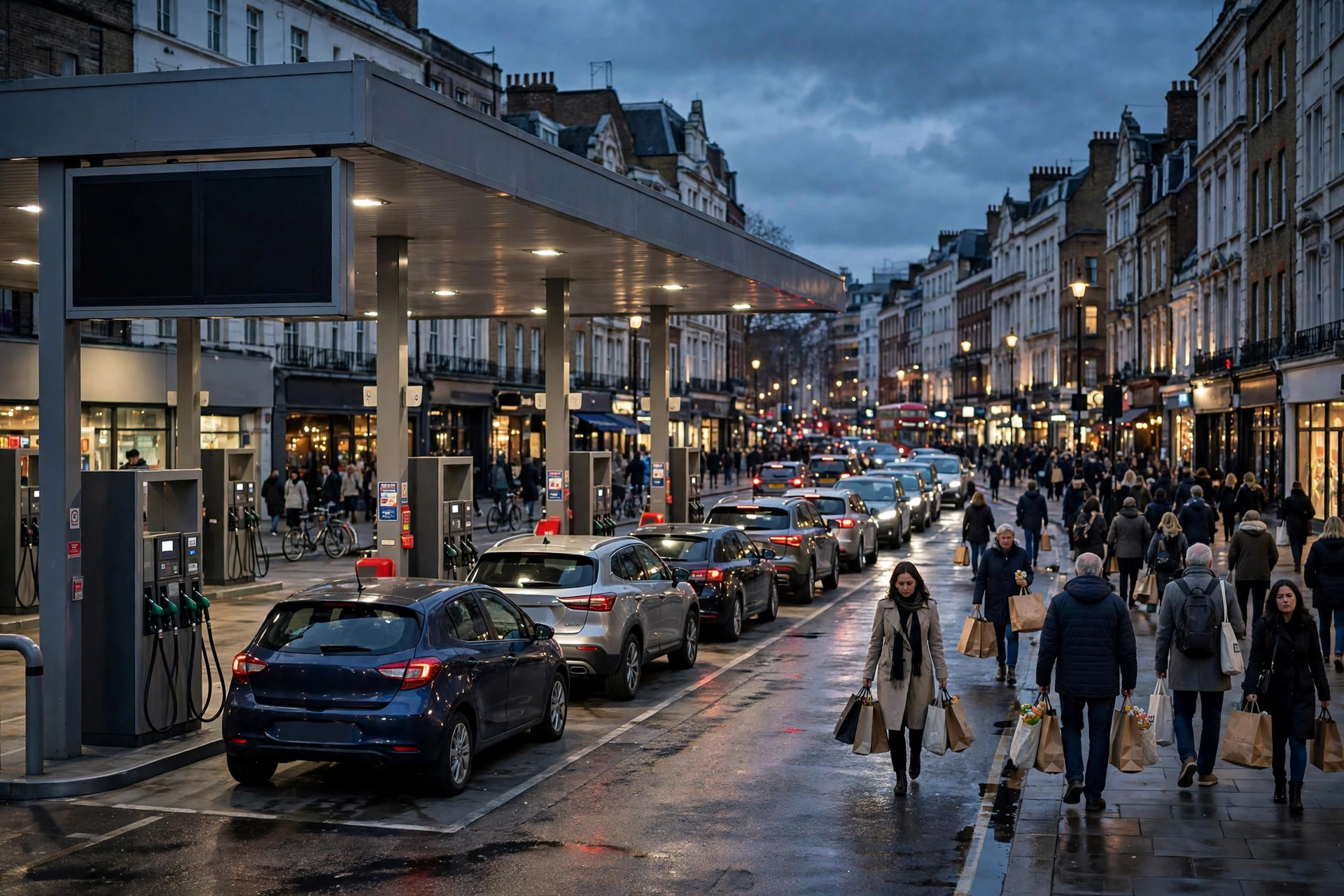
Motor fuel was the main force behind the rise. According to the ONS, motor fuel prices were 33.2% higher than a year earlier, up from 29.8% in September. Petrol averaged 174.7p a litre, its highest since August 2022, while diesel hit a record 199.5p a litre in a series stretching back to January 1996.
ONS chief economist Grant Fitzner said fuel prices were "once again a major contributor to the increase in the annual rate". The Bank of England has linked elevated energy prices to the war involving Iran, while higher tobacco taxes also pushed the headline rate up, the ONS said.
Prices rose 0.5% month on month in October. The broader CPIH measure, which includes owner-occupiers' housing costs, accelerated to 3.7% from 3.6%.
Core inflation holds steady as markets cool rate bets
Beneath the headline figure, the detail was softer than many economists had feared. Core inflation, which strips out energy, food, alcohol and tobacco, held at 2.8%, while services inflation — closely watched by Bank of England policymakers as a gauge of underlying price pressures — stayed at 3.7%, below the Reuters poll forecast of a rise to 3.8%.
Investors trimmed bets on a Bank of England rate rise next month after the release, according to Reuters, even as the headline rate hit its highest in a year. The softer core and services readings suggested the October jump was driven more by fuel than by broadening price pressures across the economy.
Bank of England faces a difficult December decision
The figures land less than two weeks after the Bank of England raised its benchmark Bank Rate by 25 basis points, from 3.75% to 4%, on 5 November — its first increase in more than three years. The Monetary Policy Committee voted unanimously for the move, citing concerns that the surge in energy prices could push inflation far above its 2% target.
The Bank's November forecast envisages inflation approaching 5% in the second quarter of 2027 if elevated energy prices persist, and it does not expect price growth to return to its 2% target until 2028.
Forecasts reported this week suggest energy bills could jump by £443 a year from January. Chancellor John Healey, who delivered his Budget in the House of Commons last month, faces growing pressure over the cost of living as prices keep climbing.
What happens next for UK inflation
All eyes now turn to December. The Bank of England's next policy decision is scheduled for 17 December, and the ONS publishes the November inflation figures the day before, on 16 December. Those two releases will show whether October's rise was a temporary fuel-driven movement or the start of a more persistent upward trend.
Economists say much will depend on energy markets and on whether the conflict in the Middle East eases. For now, with inflation rising for a fourth month in a row, households face a winter of higher bills and the prospect of borrowing costs staying higher for longer.
Related coverage on TrendWire
- Fed Chair Warsh Leads AI Forum as Markets Eye December Rate Hike
- Hot US Inflation Sparks Global Market Sell-Off as Fed Hike Bets Jump
Tags: #UKInflation #BankOfEngland #CostOfLiving #ONS #InterestRates #FuelPrices #UKeconomy
Comments (0)