The war in the Middle East has created the largest threat to global energy security in history, the International Energy Agency (IEA) warned on Thursday, in a stark assessment that puts the nine-month conflict ahead of every oil shock of the past half-century.
The warning comes in the agency's flagship annual World Energy Outlook 2026, published on 19 November as world leaders gather for climate talks in Turkey and as the leaders of the United States, China and Russia meet in Shenzhen, with the Iran war high on their agenda.
IEA: Hormuz crisis dwarfs the 1970s oil shocks
"The Strait of Hormuz crisis has created the largest threat to energy security in history, one that dwarfs the scale of the oil shocks of the 1970s," IEA executive director Fatih Birol wrote in his foreword to the report.
Speaking alongside the release, Birol went further. "In my view, the energy world will never be the same again as it was before the Iran war," he said in an interview.
The crisis was sparked in February by the US and Israeli bombing of Iran, and the IEA said it has caused the biggest disruption ever to global oil and gas trade. Before the war began on 28 February, nearly a third of the world's oil passed through the Strait of Hormuz, the narrow waterway between Iran and Oman that carries Gulf crude to world markets.
Consumers footing the bill as losses mount
According to the IEA, the conflict has so far caused cumulative losses of 2.8 billion barrels of oil and 60 billion cubic metres of gas from Gulf supplies. The agency warned that consumers are increasingly footing the bill, as the world runs out of ways to absorb the impact of the conflict on energy supplies.
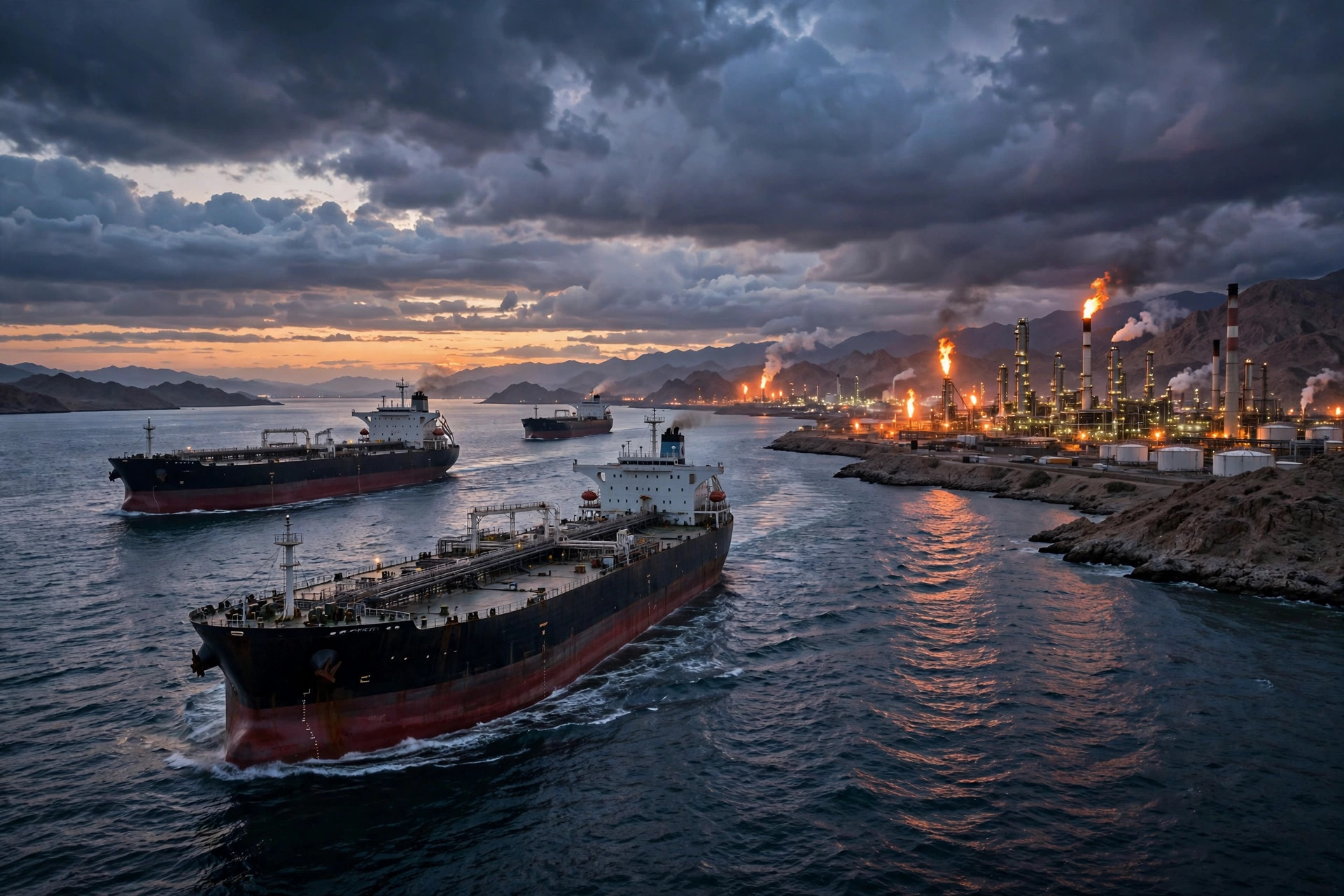
The disruption has continued into this week. On 18 November, three oil tankers caught fire after hitting naval mines east of the Strait of Hormuz, according to Iranian state media, while the United States has carried out limited strikes on Iranian targets in the waterway and a US naval blockade remains in force.
Oil demand could fall by more than 4% by 2035
The IEA also set out how the crisis could reshape energy demand. It said the conflict could cut world oil demand by more than 4% by 2035 if governments accelerate electrification, energy efficiency and fuel-switching measures in response to the supply shock.
The report uses three scenarios for its outlook: a cautious one based on policies already in place, a middle scenario covering stated government policies including measures not yet adopted, and a third in which the world reaches net zero emissions by 2050.
What happens next
The IEA's report lands as nations meet for the COP31 climate talks in Antalya, Turkey, where the energy fallout from the war is expected to feature heavily. Diplomats will be watching whether the Shenzhen summit between Presidents Trump, Xi and Putin produces any movement on the Iran war, with the resumption of oil shipments through Hormuz among the issues on the table.
For now, the agency's message is blunt: the shock to energy markets is not a short disruption to be ridden out, but a lasting break with the world that existed before February.
Related coverage on TrendWire
- Three Oil Tankers Catch Fire After Hitting Mines in Strait of Hormuz
- US Disables Cargo Ship Huda as Iran Claims Tankers Hit Mines
- Iran Strikes Omani Island in Strait of Hormuz, Sources Say
Tags: #IEA #EnergySecurity #IranWar #StraitOfHormuz #OilPrices #WorldEnergyOutlook #MiddleEast
Comments (0)