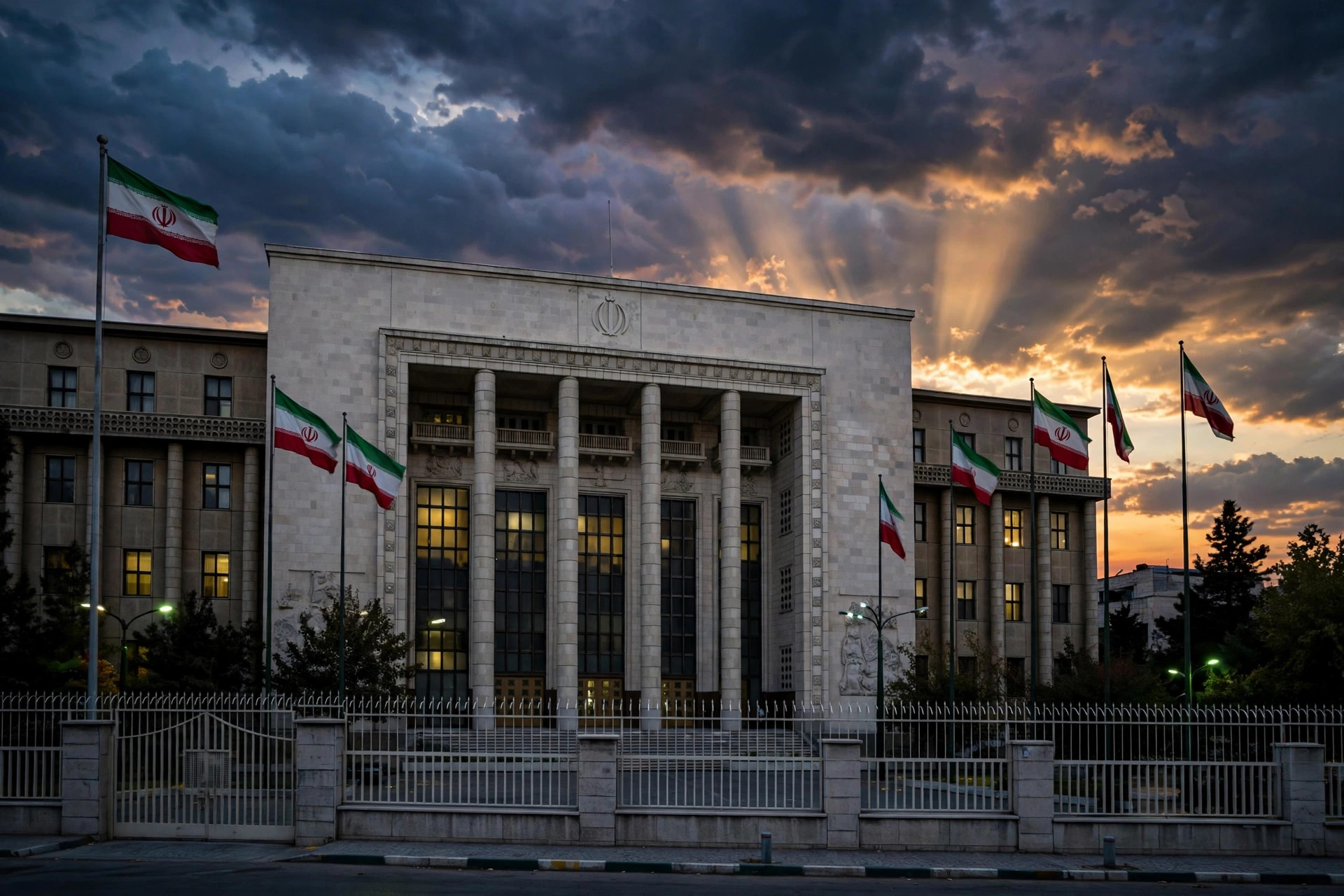
Iranian courts have ordered the United States to pay $290 billion in damages, a senior judiciary official said on Monday, in a sweeping set of rulings that Tehran says covers American actions stretching back decades.
The announcement, carried by Iranian state television, adds a legal dimension to a Middle East war that began in February and shows little sign of ending, even as diplomats continue to talk about a settlement.
Iranian courts award $290bn against the United States
"We have secured court rulings in domestic courts awarding $290 billion in damages against the Americans," said Hassan Abdolianpour, head of the judiciary's centre for lawyers, according to state television.
According to the state broadcaster, the damages cover US actions against Iran going back decades, far beyond the current conflict. The rulings were issued by Iranian domestic courts, and there was no immediate indication of any mechanism by which Tehran could enforce them against Washington.
Abdolianpour also said several lawsuits have been filed against Gulf Arab nations for "allowing their territory to be used by America to launch attacks against Iran", widening the legal campaign to the United States' regional partners.
A war now in its ninth month
The Middle East war began on 28 February, when the United States and Israel launched a wave of strikes that killed Iran's supreme leader, Ayatollah Ali Khamenei. Fighting has continued since, with missile and drone exchanges across the region.
On Saturday, Bahrain's Interior Ministry said an Iranian attack had hit a civilian industrial facility and injured two people, while Iran's Islamic Revolutionary Guard Corps said it had launched a missile and drone assault on US military positions in Bahrain. Bahrain's Defence Force said its air defences had intercepted a number of the incoming attacks, and that shrapnel from the interceptions caused material damage but no casualties.
Iran said on Monday it would use all means at its disposal to counter a US naval blockade imposed in retaliation for Tehran's own push to block the Strait of Hormuz, the narrow waterway through which a large share of the world's seaborne oil passes.
Diplomacy continues alongside the fighting
Despite the escalation, diplomatic channels remain open. President Trump said on Friday that Iran wants a deal to end hostilities, but not one that is "acceptable" to him, adding: "We want to make a real deal, not a fake deal."
US Vice President JD Vance declined on Friday to say whether he would have authorised strikes on Iran to prevent its development of a nuclear weapon, after Mr Trump had pressed him to say the attacks were necessary and that he would carry them out again.
What the $290bn figure means — and what it does not
The $290 billion in court-awarded damages is separate from the reconstruction provisions in the Islamabad memorandum of understanding signed in June between the US and Iran, which aimed to pave the way to a peace deal. That memorandum included a clause under which Washington and its regional partners would draw up a plan providing at least $300 billion for Iran's reconstruction and economic development.
Whether the court rulings become a bargaining chip in those negotiations, or simply a statement of grievance, remains to be seen. For now, the figure underlines how far apart the two sides remain: Tehran is demanding compensation for decades of harm, while Washington is pressing for a deal on its own terms.
Related coverage on TrendWire
- Iran Strikes US Bases in Bahrain in Missile and Drone Attack
- IEA: Iran War Is 'Largest Threat' to Energy Security in History
- Trump Delays Iran Strike Decision Until New Year
Tags: #Iran #UnitedStates #MiddleEast #IranUSWar #DamagesClaim #StraitOfHormuz #Tehran #BreakingNews
Comments (0)